
The Aluminium Scrap Revolution: Powering Sustainable Growth in India
How secondary aluminium imports and circular scrap supply chains are driving India's automotive, infrastructure, and foundry expansion.
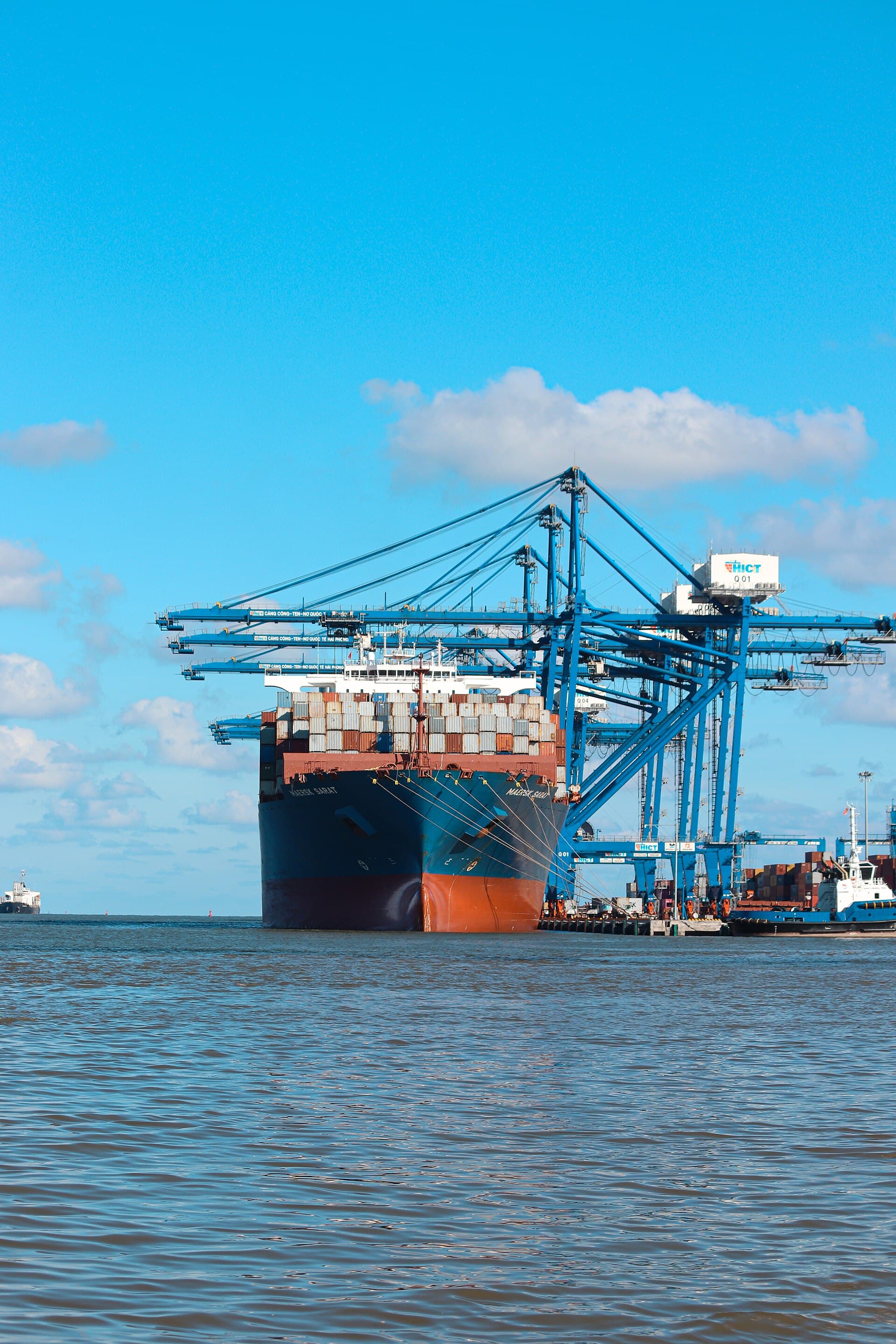
India's industrial economy is expanding at an accelerated pace, and aluminium consumption across automotive, construction, and power transmission sectors is at an all-time high. To meet this demand without excessive dependence on energy-intensive primary production, Indian manufacturers increasingly rely on high-grade imported aluminium scrap.
Strategic Role of Port Logistics and Customs Clearance
A seamless supply chain begins at international scrap aggregation yards across North America, Europe, and the Middle East, where dismantled automotive parts and manufacturing offcuts are segregated. From there, ocean freight lines deliver containerized scrap to key Indian container ports including Nhava Sheva (JNPT) and Mundra, before moving via inland container depots (ICD Tuglakabad, Delhi) directly to factory gates.
Navigating customs clearance requires strict compliance with Pre-Shipment Inspection Certificates (PSIC), DGFT regulations, and certified non-contamination declarations. Buyers who partner with established supply specialists like Clueblu Enterprises eliminate supply chain bottlenecks and maintain continuous production schedules.
Supporting Diverse Manufacturing Corridors
From die-casting foundries in Haryana and Punjab to extrusion units in Rajasthan and Gujarat, secondary feedstocks such as Aluminium Sheet Scrap and Tense and Tabour scrap provide predictable melting recovery ratios that keep Indian manufacturing globally competitive.
More Articles
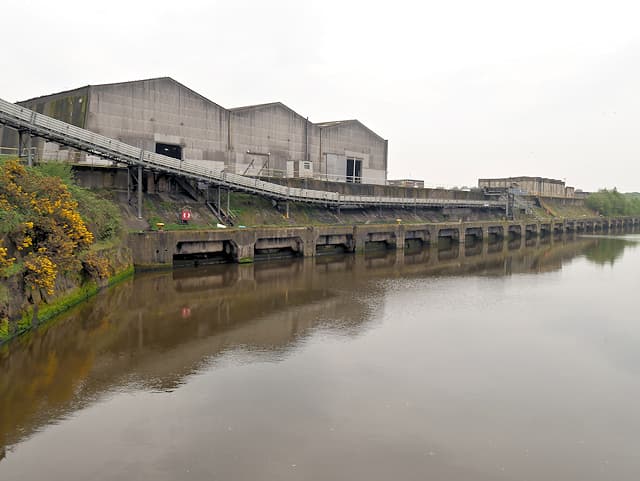
Why Aluminium Recycling is the Future of Sustainable Manufacturing
From reducing carbon emissions by 95% to conserving critical energy reserves — why secondary aluminium scrap matters to modern Indian foundries.
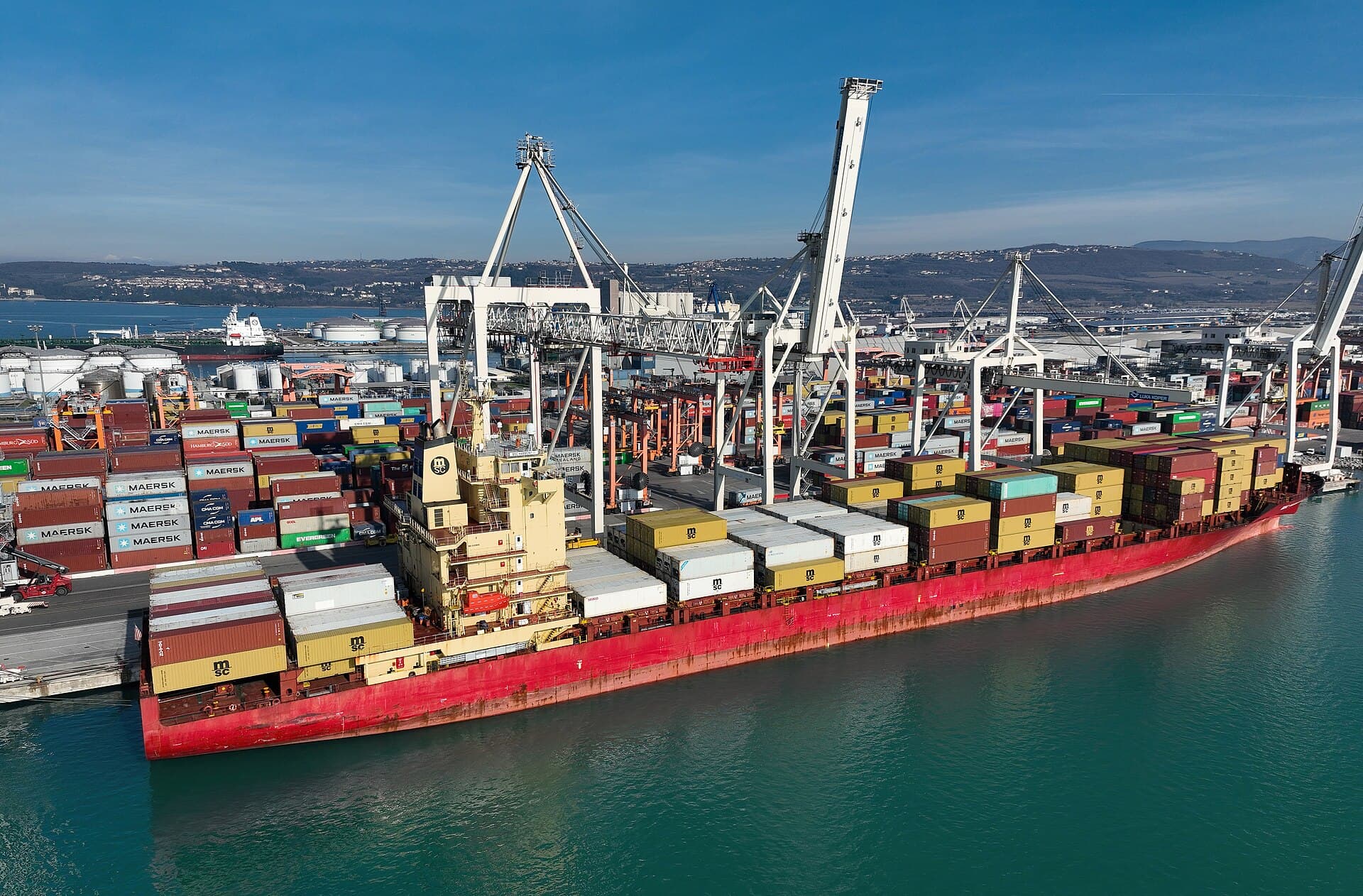
How to Choose the Right Scrap Metal Importer in India
A practical procurement guide for purchase managers: verifying test certifications, moisture thresholds, and supply chain reliability.