
How Indian Foundries Optimize Secondary Aluminium Feedstocks for Quality Castings
Optimizing melt chemistry, balancing ADC12/LM6 silicon ratios, and reducing dross formation when using imported scrap feedstocks.
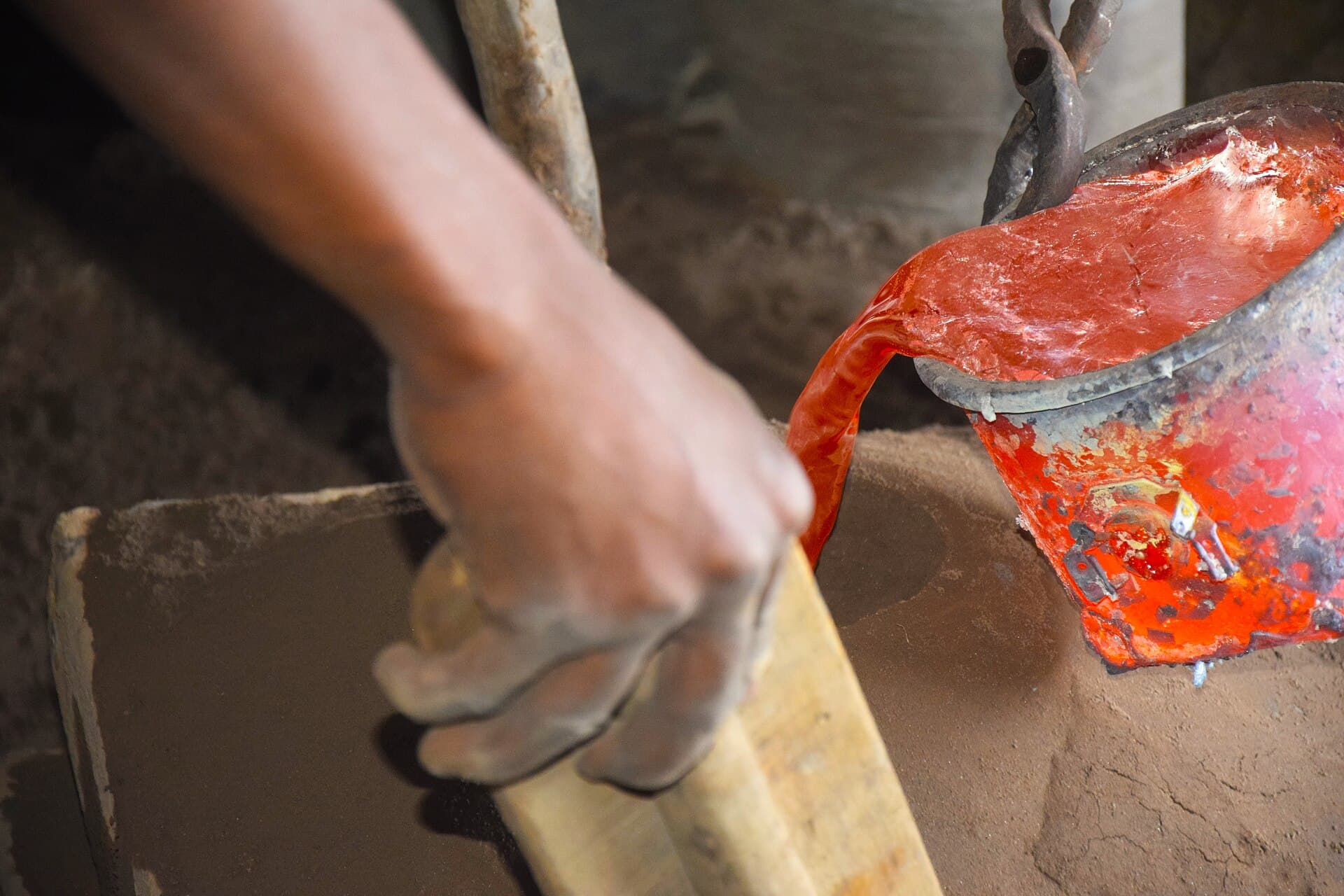
Secondary aluminium casting is the backbone of India's automotive component supply chain. High-pressure die-casters producing engine brackets, transmission cases, and pump housings rely primarily on secondary aluminium ingots conforming to specifications such as ADC12 (Al-Si9Cu3) and LM6 (Al-Si12).
Balancing the Charge with Scrap Feedstocks
Formulating a high-recovery charge requires strategic pairing of scrap varieties:
- Base Alloy Feeder: Sourcing Aluminium Auto Purja Scrap provides pre-alloyed automotive cast metal with baseline silicon and copper content, reducing the need for expensive master alloy additions.
- Low-Magnesium Dilution: Utilizing clean Aluminium Bartan Scrap introduces high-purity aluminium that allows metallurgists to control magnesium thresholds without excessive fluxing.
- Dross Reduction Practices: Compacted bales (such as compressed sheet offcuts and baled wire) minimize surface area exposure to oxygen, significantly curbing metal oxidation and melt losses during induction heating.
Partnering with a reliable importer who guarantees batch consistency ensures foundry yield targets are met shift after shift. Explore Clueblu's full materials catalog or contact our technical team for custom supply consultations.
More Articles
Why Aluminium Recycling is the Future of Sustainable Manufacturing
From reducing carbon emissions by 95% to conserving critical energy reserves — why secondary aluminium scrap matters to modern Indian foundries.

The Aluminium Scrap Revolution: Powering Sustainable Growth in India
How secondary aluminium imports and circular scrap supply chains are driving India's automotive, infrastructure, and foundry expansion.